A couple of years ago, I reviewed the debut album from German outfit, Castle Mountain Moon. Entitled Six Tales of Perception, I rated it highly, and you can read my review by clicking on the button below:
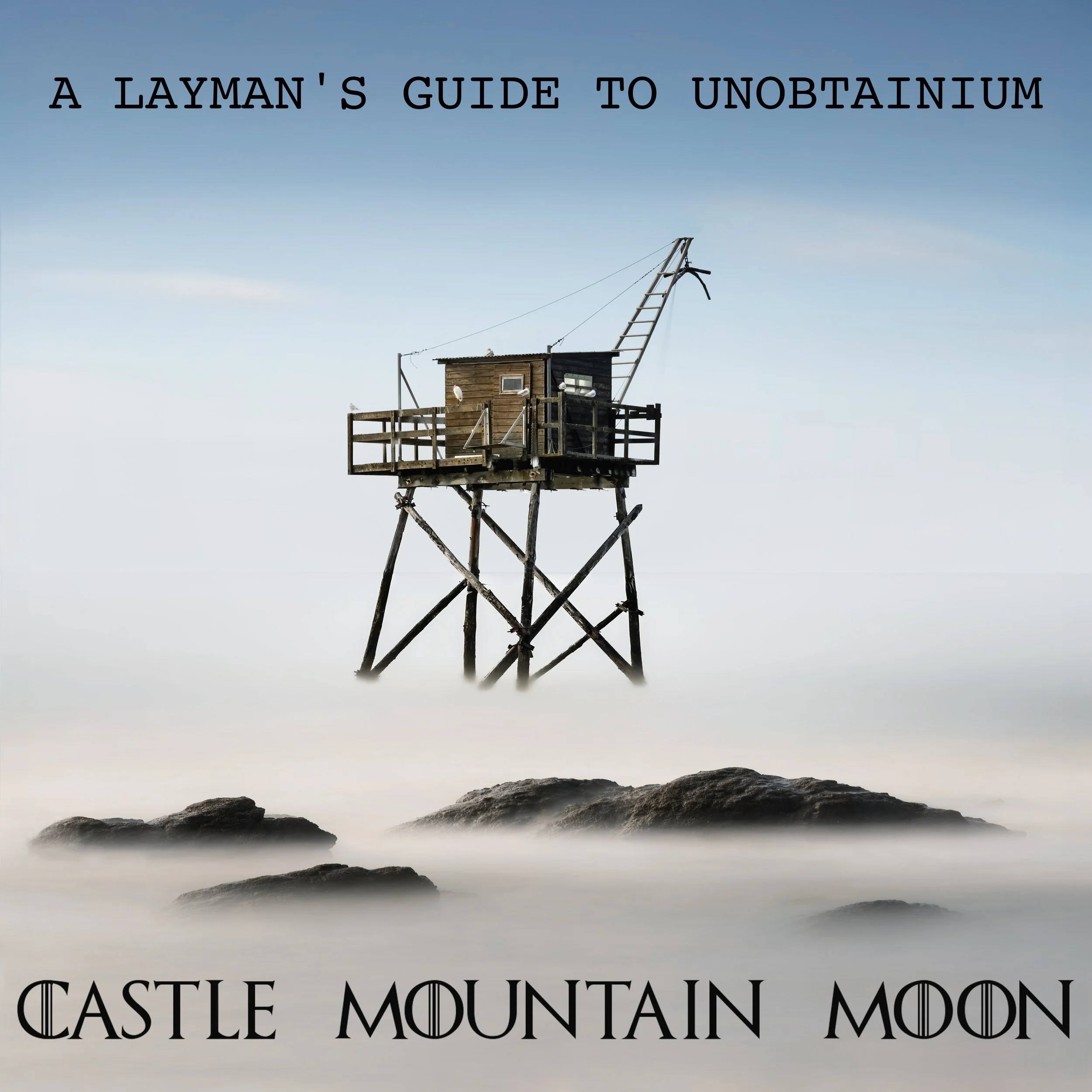
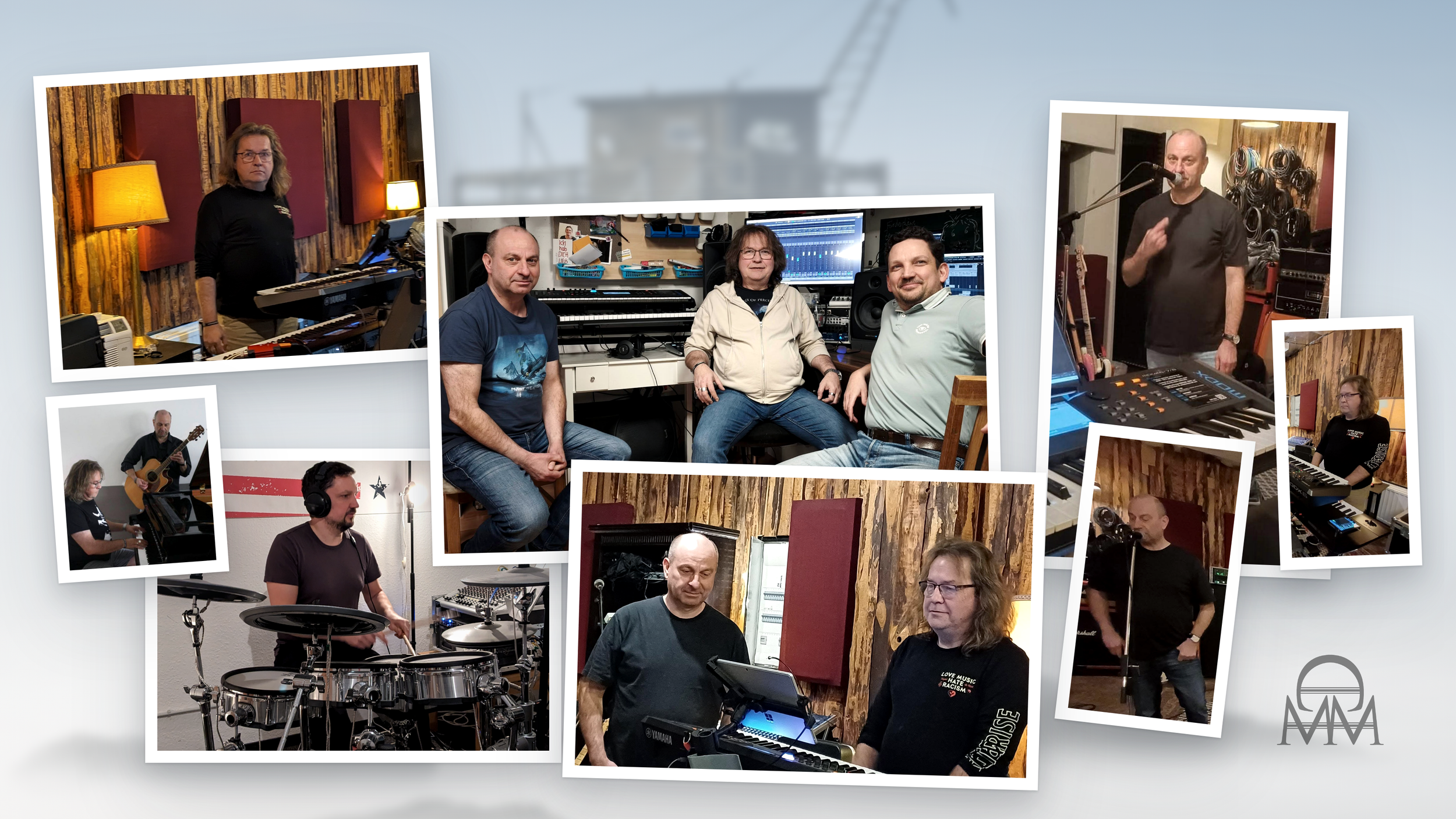
Come 2026, Dirk Krause (vocals, guitars, bass) and Ropp Köhler (keyboards) (with special guest on drums, Gerry Wassong) bring us A Layman’s Guide to Unobtainium.
Below is a teaser video produced by the band.
This album, before I get into the detail, was a slow burner for me, and I admit to struggling on the initial couple of listens, but patience always brings its reward for the discerning progressive music fan.
This is a long album, with 11 tracks over the course of more than an hour. The band explain that there is a concept here, namely built around maps – some that lead, some that lie, all aimed at something you wouldn’t recognise even if you found it, things that only exist when you don’t have them. Heavy stuff, for sure.
The title track starts us off, and introduces us to this concept, the manual, the map, with secrets close at hand, a guide that is truly inconceivable. The synths lead the charge here, rich and full of proggy goodness, alongside a very pleasing bassline. What I noticed immediately is just how unutterably catchy the “welcome” segment is. The closing passage is a warm pastoral pastiche. A nice start to proceedings, and this is also embedded here for you.
Real? deals with the realities of ordinary life, disputes, cars driving too fast, what I might call in British TV terms “the Victor Meldrew Effect”. It kicks off with a far heavier mentality, the riffs a contrast to what we had before, the synths darker, the drums picking a throbbing pace. The “interlude” features a quite gorgeous bass melody – Krause excels throughout on it, and the textures produced by Köhler on the organ are lovely.
This is followed by the first part of Maps, bringing with it the start of the adventure, taking us to places we need to be. The soundscapes produced are nicely symphonic above some riffs, Wassong expansive on the drum kit, before it settles into a pleasing narrative with some interesting effects and a fine guitar and synth duet.
Valley of the Deep, leaving the real world behind, embracing a scene that might be unreal, but still beats the humdrum existence that humans put up with (if they are lucky, that is). Ten minutes exactly, so qualifying for the epic tag, the music telling the tale of a trek expertly, expansive and with more than a sprinkling of oriental influence – think of a Kashmir light with orchestration added, and you are not far off, before once again we get a pastoral landscape, flutes, organ, and acoustic guitar taking the lead, with some lush synths to delight fans of classic symphonic progressive rock.
This takes us into the second of the Maps tracks, again exhorting us to forget a world that is broken. I like the lonely piano at the start, with crackling noises, indicating chasing ghosts perhaps. The percussion work on this is very thoughtful, the vocals certainly pensive, and the keyboards release their inner Banks, the entire tone putting you in the 1976/77 Genesis period, complete with a guitar solo reminiscent of a certain Mr Hackett.
Sadness lyrically tells us of one who is drifting, lost. This is my track of the album. There is a mournful feel to it, very well executed, the lonely piano especially setting the mood against a melancholic bassline, the militaristic drums beating out their tale. There is a particularly fine guitar solo, dripping with sadness, against which the synths rise so well. I will likely play this on a radio show in the very near future.
Before My Eyes tells of desperation to see what is right in front of his very eyes. The acoustic guitar sets the scene, with the synth and organ bringing more melancholia.
I like the theme of Exit Right that you can plan every single minutia of your life, and chance will always come back to bite you on the behind. You can be as meticulous as you like, but it is those unplanned moments which truly define us. This is a majestic, if somewhat angry, synth-laden panorama of a track, the parping organ particularly poking fun at the subject, the guitar riffs though expressing deep frustration, so some nice contrasts before some more sweeping coupling from the guitar and synth leads.
Scene of a Crime strikes me as having at its core a breakup narrative, with the protagonist revisiting the scene. The opening sequence is a pulse of electronica before merging into another superb bass melody against the synths, with the synths again taking on a mystical eastern tinge as the song develops, with a fine guitar solo then taking precedence, the whole song taking off.
Dreamers is the final main track, exhorting him to allow himself to mend, to once again believe in dreamers and, naturally, himself. There is some nice orchestration on this. The piano set against the voice is pure Supertramp mood music, and I really like it, a fitting finale, looking tentatively forward, the guitar solo emotional, but with positivity now.
The album closes with a short reprise.
So, an album worth your exploring, with some intelligent commentary and very satisfying progressive rock, mainly of the classically influenced variety. You can find them at https://cmm-music.de/