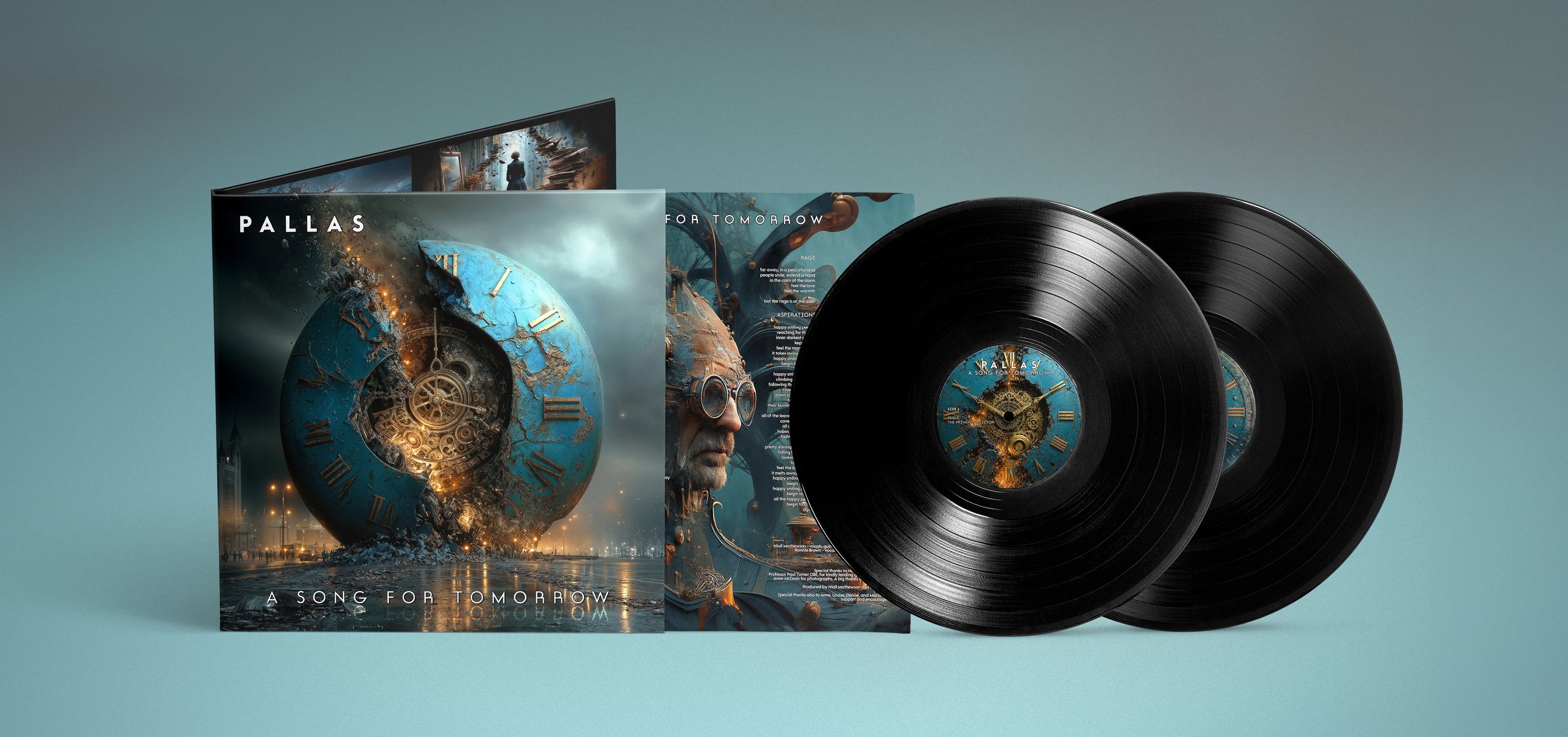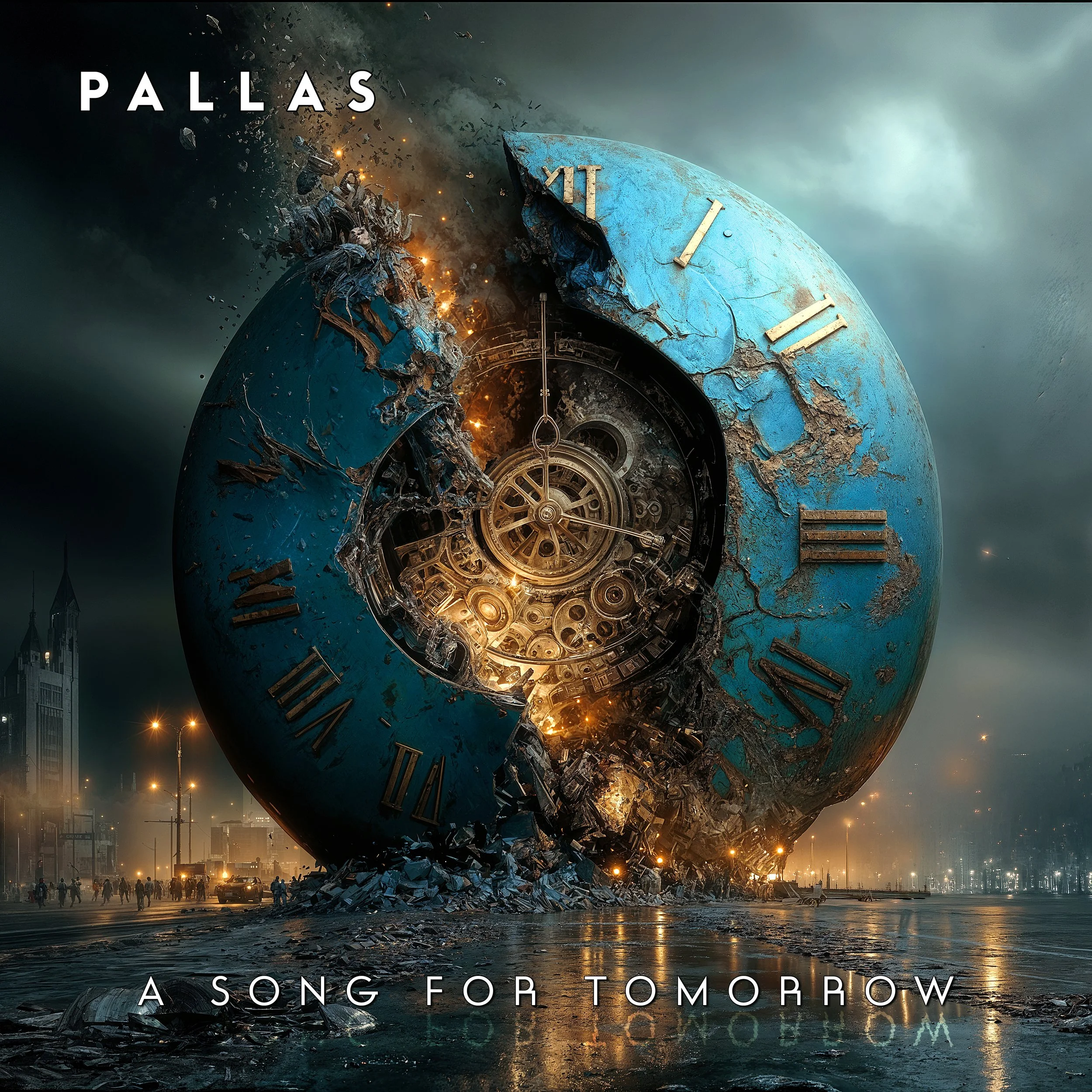
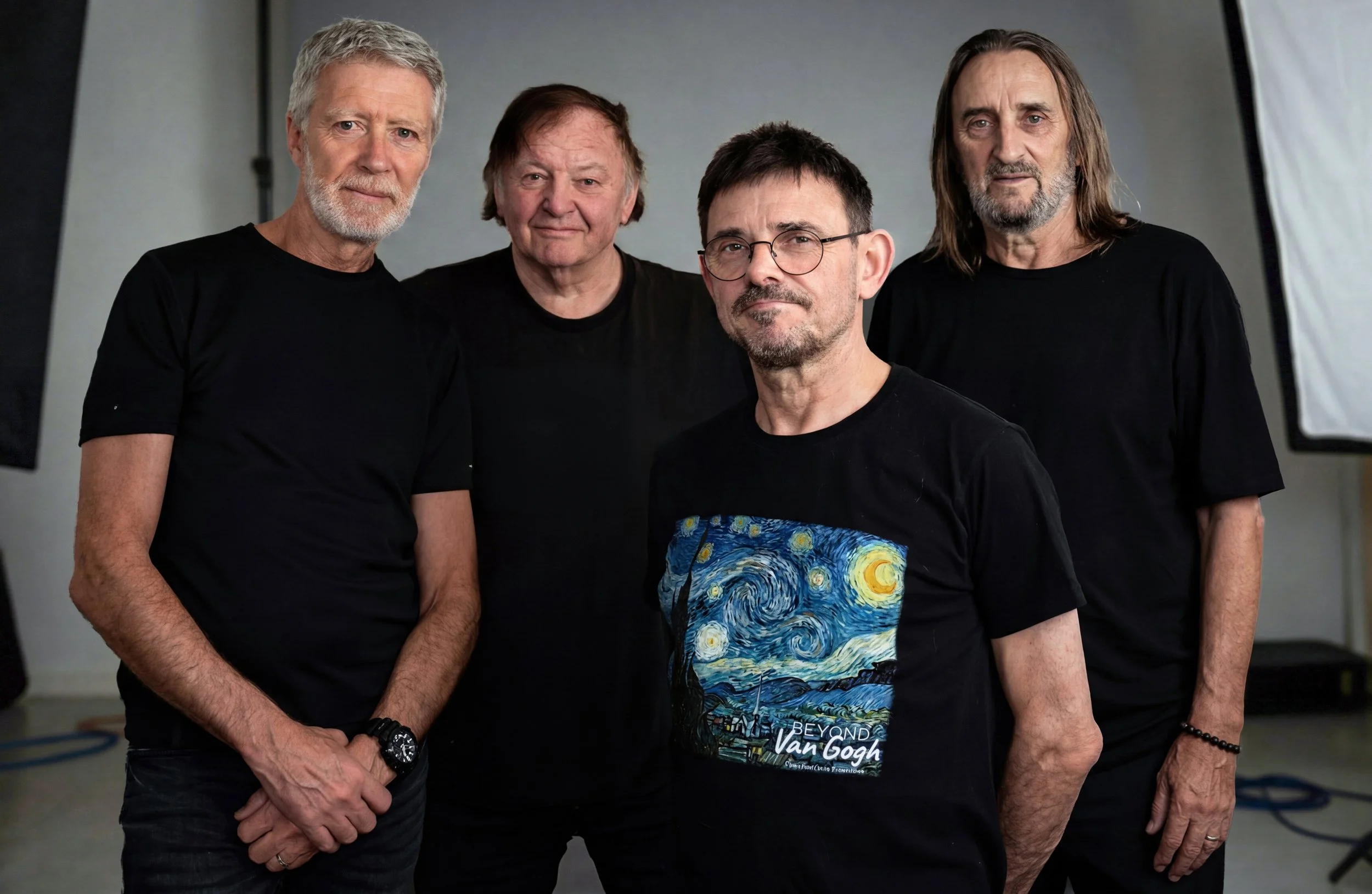
Pallas need no introduction to the majority of visitors to this website, but for those of you visiting out of curiosity, or of a younger vintage than your reviewer, this venerable band were formed in Aberdeen in 1980, and absolutely have claim to sit alongside Marillion, IQ, and Pendragon as leading lights of the 1980’s second wave of prog which came out of the UK (referred to on websites such as Prog Archives as “neo-prog”).
Given that my prog awakening was after the classic 1970’s era of SEBTP, Trilogy, and what have you, this was an exciting time for me, the first opportunity to see, hear, and purchase music from bands who ignored the prevailing commercial music culture, and wanted to make intelligent, sometimes long form, music. The Sentinel was their debut album in 1984, and it remains a favourite for those of a certain generation. They did split up after the release of their sophomore album in 1987 but returned to the fray in 1998 with a personal favourite, Beat the Drum.
And here is the thing. Apart from IQ, whose past couple of albums have left me somewhat cold, I think that as they have matured, all the bands of that period have got better, and perhaps none more so than Pallas. There was a nine-year delay between wearewhoweare and 2023’s superb The Messenger, a real highlight of that year to these ears (the link to my review is at the bottom of the page), and one of the big draws for that album was the return to the fold of Alan Reed.
The release, then, on 30th October of the ninth studio album, A Song for Tomorrow, is an occasion for joy, albeit tinged by the sadness that it is likely to be the band’s swansong, given the awful medical diagnosis for Reed, and, of course, the fact that they all live on opposite sides of the globe.
The album brings us over an hour of new music, spread over ten tracks. First off, let’s take a look at the official trailer. The apocalyptic visions are at once impressive and naturally disturbing.
There is an artistic concept here, using such images alongside technology and politics as metaphors to explore the human experience underneath, so this instantly attracts me. Far too often, news, especially on the tech giant platforms, is a mess of shouting, polarity, and black/white opinions, with no opportunity to explore nuances or debate candidly and with respect. Therefore, the album explores the contrast between our true selves and the faces we present to the world, in particular how we face up to the type of life-changing events Reed in particular has to cope with.
Noticeable here is the fact that all four members of the band take a vocal stage, so harking back, I suppose, to those halcyon early days. There are no epic-length tracks, the longest being the final song, Inside Outside just over nine minutes.
So, let’s consider each.
It all sounds magnificent, the music filling the room with ease, surrounding you with waves of noise, always a very good start for this household. Kudos here to producers Mathewson & Brown.
We kick off with Reset, waking up to another day, hailing the marketing men, and money, money, with much of what we are told and see no more than illusion, and I believe there are references here to the classical pieces of marketing in ancient and mid-period Christianity, and not in an altogether complimentary way. The opening orchestration is mournful before the whole room is filled with crashing sound, but when the main track kicks in with the vocals, you know that Pallas have not lost that inherent commercial nous which so characterised the original 1980’s progressive movement. This is a track filled with catchy licks, such clean keyboards, essential rhythm section thundering out, huge guitar solo, telling its story whilst taking you headlong with it, a hell of a start to an album.
Rage is a longer track, with minimal words, but what words they are for the times in which we live, peoples extending a hand of friendship, only to witness rage at the door. I sincerely hope that the likes of Putin and his ilk rot in hell for something approaching the rest of time, the misery and sheer despair his actions have caused. The initial drum roll gives way in short measure to more senses filling orchestration, including the Pallas version of Tubular Bells! The track then plays a game of cat and mouse with us and itself, the piano competing with soundscapes, riffs, rhythm section and choral voices, very heavy and really rather experimental. The vocals take place in a lull, and the harmonies are very dreamy, but the rage reasserts itself with a venom frankly most prog metal bands I know would struggle to match.
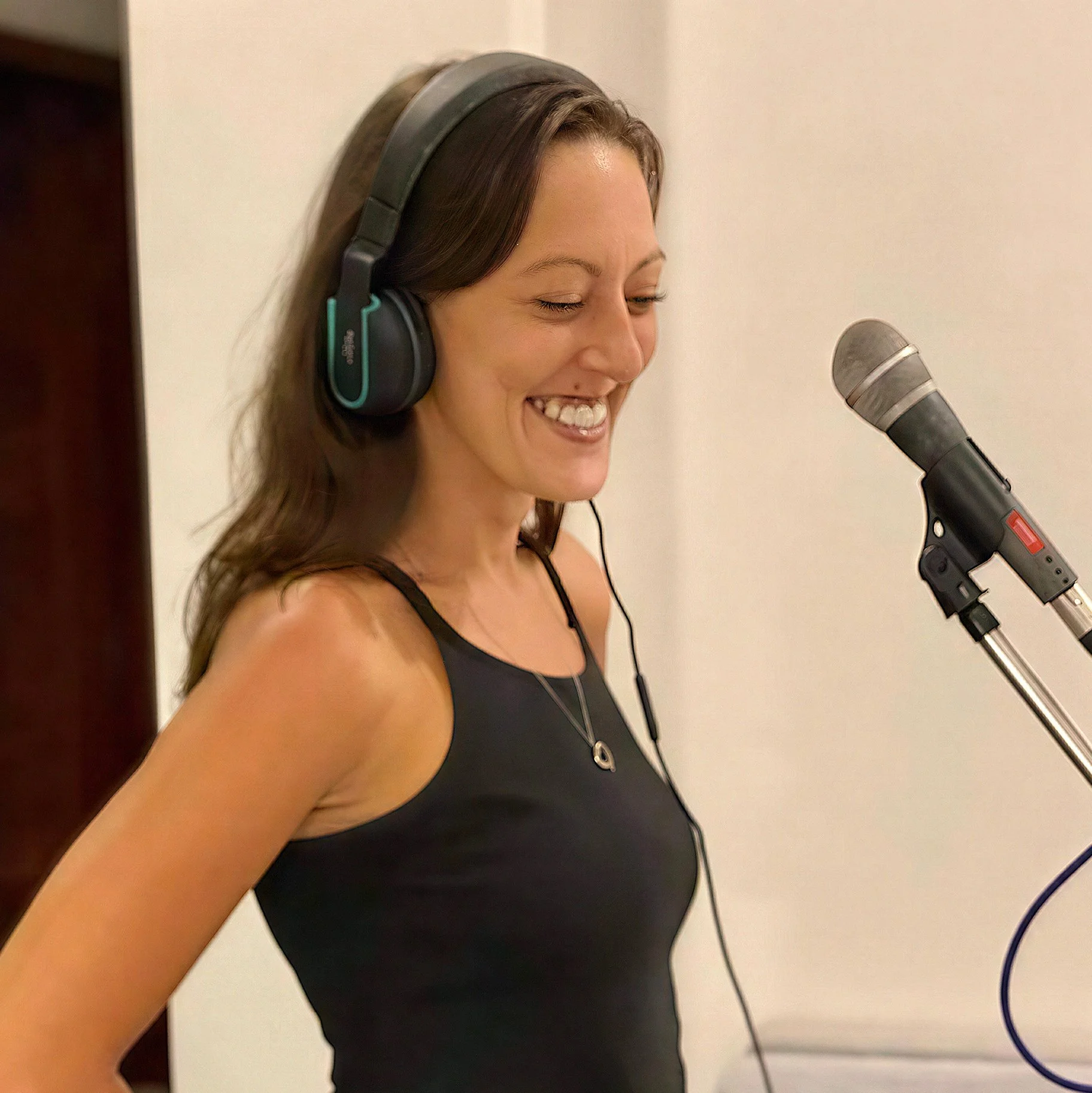
The title track follows, with guest Natasha O'Neil, who has worked with Niall, on vocals. It is a song for both today, with all the struggle’s life can present, but also, critically, for tomorrow, a song of sorrow, recognising the world has changed. It opens with a station announcer, almost as if you are waiting to depart this mortal coil in the afterlife waiting room. The female vocal is delicate, for sure, accompanied by a light keyboard, and it is almost in the form of a lullaby. The track is enhanced by the gorgeous harmonies which occur when the male vocal meets hers, the orchestration a tad stronger, the sense of melancholy almost overpowering in what is a very strong contender for this website’s track of 2026. The buildup takes a while, but this band do it so cleverly, so that when the finale arrives, it is with a progressive flourish, the guitar riffs majestic, the soundscapes taking over, the cymbals crashing and raging against the night. A superb piece of music which lingers long in the memory. As we close, Natasha takes us down into tomorrow ever.

The Private Collector has some great artwork associated with it from mainstay Mike Bentley. I think this is a metaphor for the casual manner with which we humans give away our data, profiles, our very selves, to the tech masters who are now such a force in our lives, sitting there in the cloud with barely any empathy for our day-to-day existence whatsoever. This is longer, over eight minutes, and has a bright, loud opening passage, which includes some very good percussion from Brown. The vocals again are ponderous on this, in parts reminding me of Jeremie Arrobas in Enigmatic Sound Machines, and I love the piano notes on it. We have another slow builder, the intensity growing as it progresses, and it is a track which has an irresistible catchiness to it, the hooks embedding themselves in you. The dark passage when we willingly convey all that we are and will ever be to the collectors is stark in its minimalism. Superb musical political commentary.
DIRT discusses the damage and dangers wrought by manmade climate change, although, of course, somewhat strangely, this is still a concept attracting much controversy in the world. Perhaps the people who make so much money by ruining the planet need to be enveloped in the rising tides as the artwork portrays to be made to realise what they have done. We are a strange and at times, very immature species. On this, Reed shows me just how much his vocal creativity will be missed. There is such a fragility to his voice on this, set against the tempest of the planet roaring back at us. The guitar solo is a mighty noise, and again, this band of veterans prove that they can compete on the volume front with any manner of young pretenders to the rock throne.
Aspirations is brilliant in its discussions of how we as lemmings find comfort and solace in the latest apps, all of us happy, so content with pretty shining moonbeam falling from the sky. Naturally, a lot of new technology has undoubtedly made our lives more comfortable and, yes, happy in the ability, for example, of the radio station I broadcast for beaming its exceptional content around the world, but we are reaching a stage where the benefits are being seriously threatened by greed and imbecilic content. This track, I think, calls for the balance all reasonable people would seek. There is some lush acoustic guitar work to start us off, and this pastoral combination with the voices and gentle soundscapes is quite deliberate in its depiction of us happy, smiley people, the ghostly noises perhaps representing the loss of our souls. There is a gentle power in the closing passage, the band showing real class in atmospheric disaster without switching on the amps full blast.
Rushing Headlong references the lemming state of humanity I referred to earlier, with rich billionaires spending vast sums on their rocket ships whilst the planet burns, with you and me lost in the ocean of our own world, watching the fuss with impunity. The music returns to a heavier timbre, the lemmings outracing each other in their quest for mutual destruction, and there is some very good programming in amidst the riffs on this, all suitably dark.
The Avenue of Broken Dreams must be a contender for my “title of the year” award, a deeply personal song about internal torment, whether he is living in heaven, or in hell, the opening passage in a dreamlike state, and I think this is a modern take on a Grimm fairytale. I like the bass riffs on this, and the keys create a dark fantasy in their orchestration, the intensity of the riffs increasing as we move on, the chords ringing out of the guitars.
Mother is the track released to the world in advance of the album, and we have a video embedded for it below. I lost my mother 10 years ago, and as with this song, we left a lot unsaid. She was a difficult and complex person, but, of course, I am as much a product of her as my (still alive) father, but what I remember most is how vulnerable she was at her passing. I do emphasise with the lyrics “father, where were you when I needed love?” – that generation found empathy vastly more difficult, and, indeed, this is another debate which rages on social media, the fact that we have all “grown soft” – I believe that the world needs far more love and understanding, most especially within familial boundaries. The video is a work of art in itself, quite stunning in its imagery, and Reed sings fit to break your heart. What a talent the progressive world is going to miss. The image of a vulnerable child clutching his teddy staring up at the screen surrounded by toys is one for the ages, the accompanying orchestration achingly sad.
We close with Inside Outside. It is a very suitable way to end an album such as this and, indeed, a band career, a confrontation with the past, between the world and who we are, presenting to the world, maybe at work, the pub, an idealised version of ourselves whilst hiding the inner workings and truths. Once again, we are treated to a beautiful fragility in the lead vocals, the harmonies merely adding to this. The guitar riffs cry out of the speakers, the sound fills the room with a heavy symphonic joy, the orchestration superb, all the while with beats which in a sensible world would be selling by the Ed Sheeran like truckload.
I rarely listen to The Sentinel or The Wedge these days, but, then again, I rarely listen to Script for a Jester’s Tear or Kowtow. These were my formative years as a young adult, and I remember them with a fondness, but critically without a false nostalgia, a belief that everything, including music, was better 40 years ago. It wasn’t, and A Song for Tomorrow is the sound of a mature group of musicians providing the world with their finest album, and what a way to close a distinguished career.
Essential music for 2026, and any other age, for that matter.
My review of The Messenger: https://lazland.org/album-reviews-2023-part-the-second/pallas-the-messenger
Cherry Red Records website is at https://www.cherryred.co.uk/artist/pallas
The band website at https://www.pallasofficial.com/ is in the process of being rebuilt, apparently, but still worth a visit.
Lineup:
Alan Reed - vocals
Niall Mathewson - guitars, percussion programming, vocals
Graeme Murray - bass, Taurus bass pedals, 12-string guitar, vocals
Ronnie Brown - keyboards, drums, percussion programming, vocals
With:
Natasha O'Neil – vocals on the title track