I can count on the fingers of one hand the number of covers albums I have reviewed on this website since its inception. It is, frankly, something that I don’t do, and we very rarely go to see cover bands live. Occasionally in our hometown for a laugh, but certainly not beyond its boundaries, even for some of the better known and valued ones such as The Watch. We did see Australian Pink Floyd a couple of times before they became, to me ludicrously, a stadium band.
I prefer original music. I like to see and hear how artist’s use their originality and talent to create something new, something lasting. Something that means something, as opposed to simply being very good at playing Supper’s Ready (and some of these bands are very good at what they do) - I just prefer to enjoy the memory of seeing my heroes do it back in the day, and reliving these on the original records.
So, a wee little musical rant. And here is the punchline – one of my favourite albums of 2026 contains not one originally written note of music. When I first heard it, the album blew me away, and as I have listened more, it has gotten better.
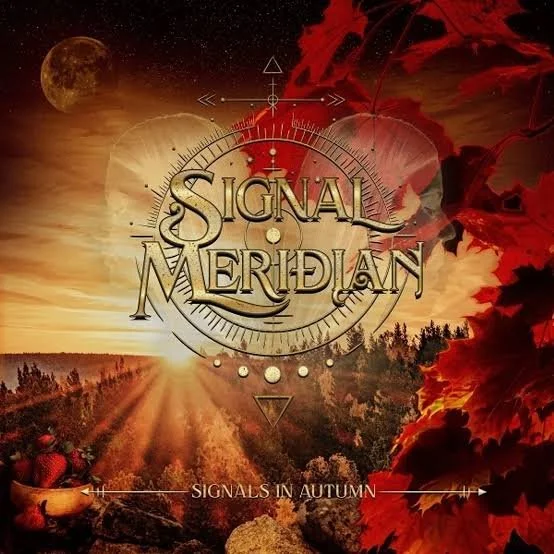
So, before I write in detail about Signals in Autumn, the debut release from American collective Signal Meridian, I think it best to clarify that this is not merely a straightforward covers album, in this case of ten tracks from classic English folk-rock band Strawbs, but a reimagining of that illustrious band’s output. It is probably better for me to embed here a video of the first single from the album, Heartbreaker, which appeared in 1977’s Burning for You. Dave Cousins and Dave Lambert were the vocalists on that album – here, we have Vanessa Bryan belting out the words, and who has sung with (erm) such prog luminaries as Lady Gaga, Gwen Stefani, The Killers, and Idina Menzel. And therein lies the genius of this project of Blue Élan Records co-founder Kirk Pasich. He could have recruited any number of prog vocalists; you know, your Tina Booth, Heather Findlay, males such as Andy Sears if he wanted to have something closer to the original, but, no, this is something different entirely, using a progressive legend as a template, but creating a very unique canvas over it.
So, let’s discuss each track in more detail, bearing in mind that I will pay little attention to the originals. Opener is Cut Like a Diamond, which also appeared in Burning for You, not an album, incidentally, particularly highly rated by the good burghers of Prog Archives (draw your own conclusions to that). The synths create a powerful opening soundscape, and the collective then provide us with a lush southern rock beauty, the vocals moody and seductive, the riffs utterly convincing, a marvellously catchy number which has the desired outcome of dragging the innocent listener into its lair.
Carry me Home hails from the same album and has Bryan imagining this. I am a sucker for a melodic, wistful, mournful ballad, and if it has soaring vocals alongside powerful guitars roaring, then it is all I need for a decent night by the fireside with a few glasses of something nice to drink. This is another aspect of this album’s appeal to me, the creation of a special mood. No, it’s not Supper’s Ready or Ritual, but the key here is that great music doesn’t need to be. Sometimes, this is what Lazland needs, and it delivers it very well.
Little Sleepy first appeared in 1975’s Nomadness and was dismissed by more than one prog reviewer as being a “pop song”, the ultimate insult to such people. Not to me. Bernie Barlow sings this – some readers might recognise the name from her time singing alongside The Moodies. Note – Hayward & Lodge did not employ also rans, and she proves this in spades here. This is another delight, given the full Southern Blues treatment, full of ear candy. It races along, four minutes of pop/rock genius.
Don’t Try to Change Me is from Ghosts, which was also released in 1975. Holly Palmer, who sang with Bowie, brings her almost unbelievable seductive voice to this, and the song is presented to us as a gorgeous slab of Americana, the guitars providing a lovely texture, some of the riffs very heavy, and the rhythm section gives a great foundation. On first listen, it was by this stage I was dancing around the room. What pleasure well performed music can bring to a life!
Lay Down is the first appearance from 1973’s Bursting at the Seams, and alongside the better-remembered in 2026 Part of the Union, was Strawbs enjoying hit single success in the UK. The guitar riffs which introduce are bright, whilst the vocals will certainly appeal to those of you who, as I do, love the steamier, blues-infused Stevie Nicks performances with both The Mac and solo. Great pop-rock featuring towering electric guitar interactions which I reckon should be a treat at any live gigs.
Heartbreaker which you saw above follows, and this is succeeded by I Don’t Want to Talk About It, which featured in 1978’s Deadlines, another power ballad, but with lyrics which make you step back and think, children who will never know their name, and women who should hang their heads in shame. Powerfully brooding, very much helped by the understated guitar riffs.
The Last Resort follows, and is the second single from the album, released this very week, and it also appeared on Deadlines. The official video is embedded here. I love the dirty noises produced by guitar to kick this off – indeed, the work here channels Lambert very well, and the vocals are shared by Bryan & Barlow, who harmonise very well.
Now, I think it is a reasonable statement to make that Autumn (Suite), which originally appeared in 1974’s Hero and Heroine, is the most “proggy” song chosen for interpretation on this album. Indeed, this wonderful piece of music was chosen recently by my good friend, Thomas Szirmay (The Prog Rogue) as part of his “Prog Island Discs” on my radio show. Jordan West handles the vocals on this classic, and I initially approached it with no small degree of trepidation. I needn’t have worried. The almost nine minutes achieves that very difficult balance of being faithful whilst bringing something brand new to the table. The ghostly guitars above the throbbing synth at the start, with militaristic bass and drums creating the atmosphere immediately, and as it progresses that familiar set of riffs are crafted so well. West’s voice is simply gorgeous, melodic, and showing deftness in her feeling for the pastoral words she sings, whilst the piano and guitar duet captures the essence of this playful piece perfectly, and when she sings “still waters flow”, you are transported to a wonderful musical movement you can lose yourself in time and time again. Probably the finest cover version I have in my collection, and worth the entrance price alone.
The album proper (there are bonus tracks on the cd) closes with Who Knows Where the Time Goes, which takes us all the way back to those heady days of 1967, and a piece written by the immortal Sandy Denny – it was only the second song she ever completed. It eventually ended up on the 1973 album, “Sandy Denny and The Strawbs: All Our Own Work”. What Signal Meridian do so well on this is to recreate the spirit of a master songwriter who was, yes, feeling her way in the music world, but whose genius was already evident, and this beautiful piece of music is brought completely up to date with 2026 production values. This is a contender for “track of the year” on this website’s annual awards.
There. This album is very special and really does come very highly recommended, and listening, as with Denny, you will have no fear of time, because quality is timeless, and this ensemble have reproduced that with aplomb.
PURCHASE THE ALBUM AT https://blueelan.com/collections/shop
LABEL WEBSITE AT https://blueelan.com/collections/artists
The Lineup
Vocals
Bernie Barlow
Vanessa Bryan
Holly Palmer
Jordan West
Keys
Sasha Smith
Paul Trudeau
Guitarists
Val McCallum
Adam Gimenez
Bass
Kurtis Keber
Drums
Jordan West (as per vocalist)
By clicking on the image of Blue Élan founder and instigator of Signal Meridian, Kirk Pasich below, you will be taken to an extensive interview the website undertook with him.